Why Do Fashion Trends Affect Our Perception of Dress Sizes?


Why Do Fashion Trends Affect Our Perception of Dress Sizes?
When we step into a fitting room and glance at the size tag on a dress, the experience is rarely just about numbers or measurements. Our sense of what counts as the “right size” is deeply shaped by fashion trends, cultural ideals, and social expectations. But why does fashion have such a strong influence on how we perceive sizes—and, ultimately, ourselves?
Fashion as a Reflection of Cultural Ideals
Fashion is more than clothing—it’s a mirror of the values and aesthetics of its time. In some eras, the ideal body has been curvy and voluptuous; in others, slim and athletic. These shifting ideals influence how designers cut and style garments, and which proportions they emphasize.
As fashion evolves, so does our perception of size. A dress labeled “small” in the 1990s might correspond to a “medium” or even “large” today. This is partly due to vanity sizing, a practice where brands label garments with smaller sizes than their actual measurements to make customers feel better about their bodies. It’s a subtle but powerful way that fashion shapes self-image.
Læs også:




Social Media and Body Ideals
Today, social media plays a massive role in how we view our bodies and clothing. Influencers and celebrities often showcase outfits in specific sizes, and many brands still rely on models who represent a narrow body ideal. This can create an unspoken standard for what’s considered “normal” or “desirable.”
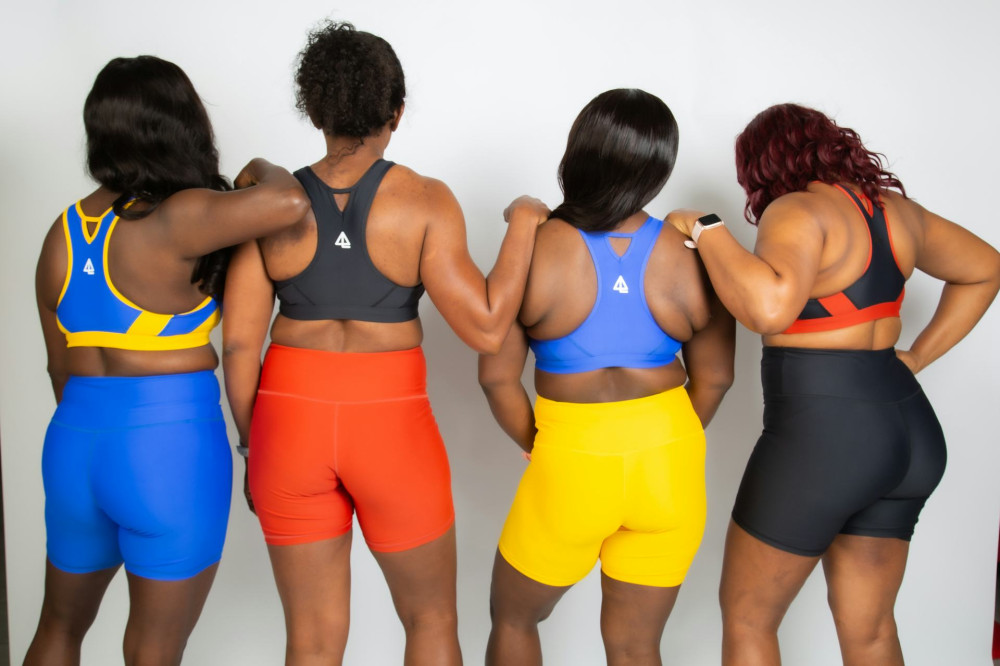
At the same time, a counter-movement is gaining strength. The body positivity and body neutrality movements have pushed brands to expand their size ranges and feature models with diverse body types. American retailers like Aerie and Savage X Fenty have built their identities around inclusivity, challenging outdated norms and helping consumers find clothes that fit both physically and emotionally.
The Psychology of Size Labels
A size tag isn’t just a practical guide—it carries emotional weight. Many people associate certain sizes with self-worth or success. Fitting into a smaller size can feel like an achievement, while needing a larger one can feel discouraging, even when the difference is minimal.
Fashion brands are well aware of this psychological effect. When a label consistently runs “smaller,” customers may feel more confident and loyal to that brand. It’s a reminder that fashion isn’t just about fabric and design—it’s about emotion, identity, and perception.
The Challenge of Inconsistent Sizing
Another factor is the lack of a universal sizing standard. A size 8 in one American brand might fit like a size 4 or 10 in another. Add international shopping into the mix, and the confusion grows—European and Asian sizing systems often differ dramatically from U.S. standards. This inconsistency can lead to frustration, self-doubt, and mistrust toward brands.
To address this, some companies are developing more transparent size charts and digital fitting tools that use body scans or AI to recommend the best fit. These innovations aim to make shopping less stressful and more inclusive, reflecting a growing demand for honesty and diversity in fashion.
When Fashion Shapes Self-Image
Ultimately, the question of dress sizes isn’t just about clothing—it’s about identity. Fashion allows us to express who we are, but it can also impose limits on how we see ourselves. As trends shift, so do our perceptions of what’s “normal” or “beautiful.”
Understanding how fashion trends influence our perception of size can help us reclaim control. Instead of letting a number on a tag define us, we can focus on how clothing makes us feel—comfortable, confident, and authentic. After all, the best fit isn’t about the size on the label, but about how well it fits the person wearing it.
Læs også: