The Dress as Storyteller – When Contemporary Fashion Meets the Past

The Dress as Storyteller – When Contemporary Fashion Meets the Past
A dress is never just a piece of clothing. It can be a mirror of its time, a symbol of social change, and an expression of personal identity. Today, as the fashion industry increasingly looks to the past for inspiration, the dress becomes a storyteller—one that speaks of culture, womanhood, and aesthetics. But why are we still fascinated by the silhouettes, fabrics, and patterns of earlier eras, and how do modern designers use history to shape the fashion of today?
Dresses of the Past – Mirrors of Society
Throughout history, dresses have reflected women’s roles and the values of their societies. In 19th-century America, voluminous skirts and corsets signaled respectability and social standing, but they also represented restriction—both physical and social. The 1920s brought shorter hemlines and looser fits, symbols of liberation and new ideals. By the 1960s, the minidress became a declaration of independence and youth culture, challenging conventions and celebrating freedom.
When we look back at these periods, we see more than fashion—we see stories of transformation. Each era has shaped how we understand femininity, style, and self-expression.
Læs også:
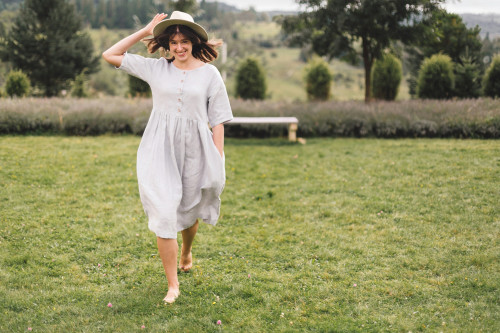



Modern Designers as Storytellers
Many contemporary designers consciously weave historical references into their work. They borrow elements from the past—a cut, a fabric, a silhouette—and reinterpret them for the present. It might be a gown inspired by the 18th century, crafted from sustainable materials, or a modern take on the 1950s hourglass shape, designed for today’s bodies and lifestyles.
This blend of old and new creates a unique kind of fashion narrative. It reminds us that style doesn’t emerge in isolation; it builds on the aesthetics and experiences of previous generations. At the same time, it allows us to reinterpret history on our own terms.
The Dress as a Personal Story
For many people, a dress also carries personal meaning. The one worn to a graduation, a first date, or a wedding holds memories that go far beyond fabric and thread. In an age of mass production and fast fashion, such garments gain special significance.
That may explain the growing interest in vintage and secondhand clothing. Wearing a dress with a past is not only sustainable—it’s a way to connect with history and give it new life. Each time an old dress is worn again, a new chapter is added to its story.
The Story in the Details
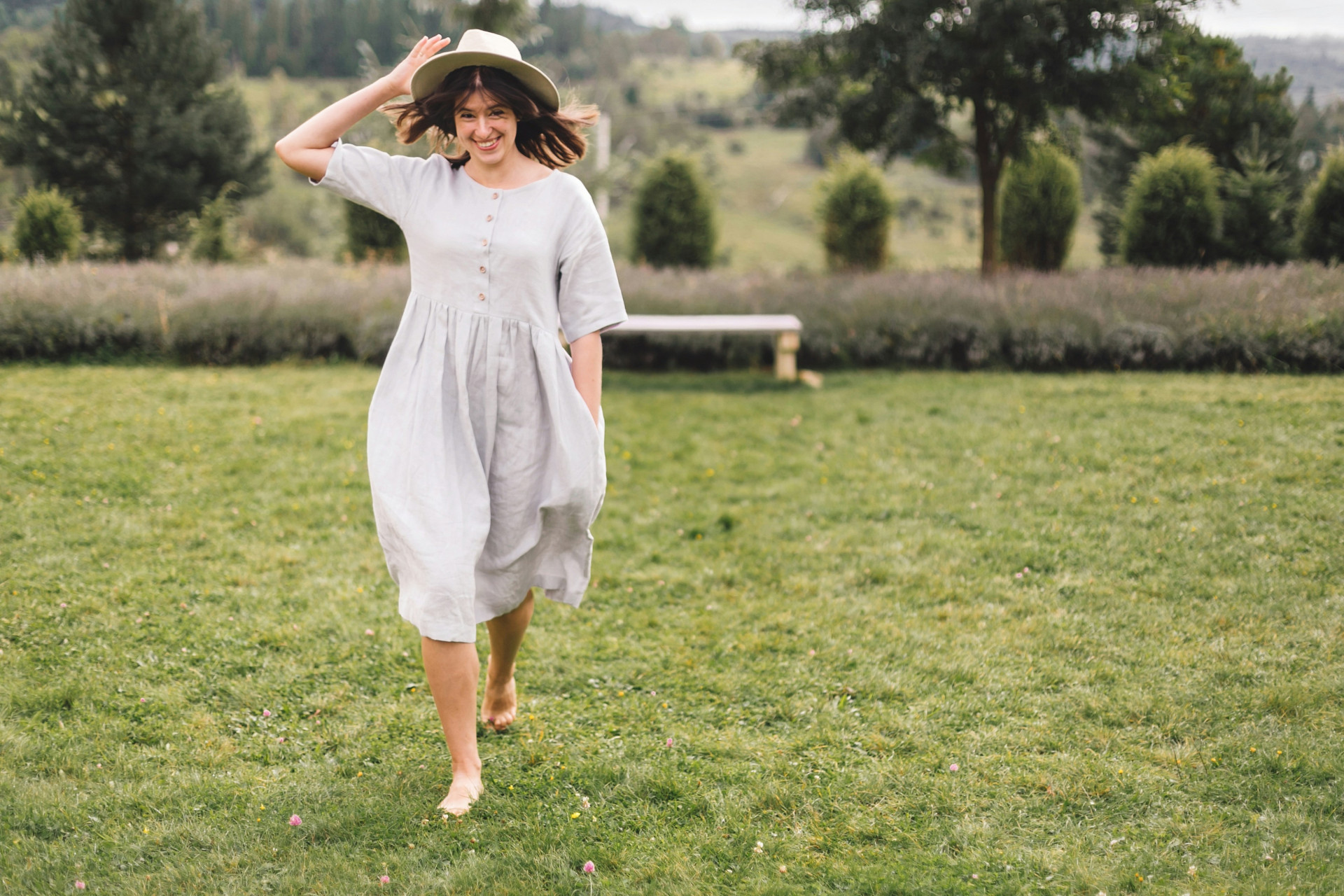
It’s often in the details that the past comes alive. A hand-stitched lace trim, an embroidered motif, a row of buttons—small elements that speak of time, patience, and craftsmanship. In a world where most clothing is machine-made, these details have become symbols of authenticity and quality.
Many designers are reviving traditional techniques such as hand embroidery, weaving, and natural dyeing. This is not just nostalgia—it’s a way to preserve cultural heritage and create garments with soul and longevity.
When Fashion Becomes Cultural Heritage
Museums and fashion archives play a vital role in preserving the history of the dress. Exhibitions that showcase everything from First Ladies’ gowns to everyday workwear tell stories of lives, dreams, and ideals. They remind us that fashion is not merely about vanity—it’s about identity and society.
These collections also inspire today’s designers. A century-old dress can spark a new collection, bridging the craftsmanship of the past with the technology of the present.
A Living Story
The dress as storyteller is not a static phenomenon. It evolves every time someone wears it, alters it, or draws inspiration from it. In the meeting between past and present, new expressions emerge—ones that honor tradition while pointing toward the future.
When we choose, design, or repurpose a dress, we take part in a larger narrative—one about style, identity, and culture. And perhaps that is why the dress continues to captivate us: because it carries history on the body.
Læs også: