Harmony in the Kitchen: How to Create Stylish Combinations of Materials and Finishes

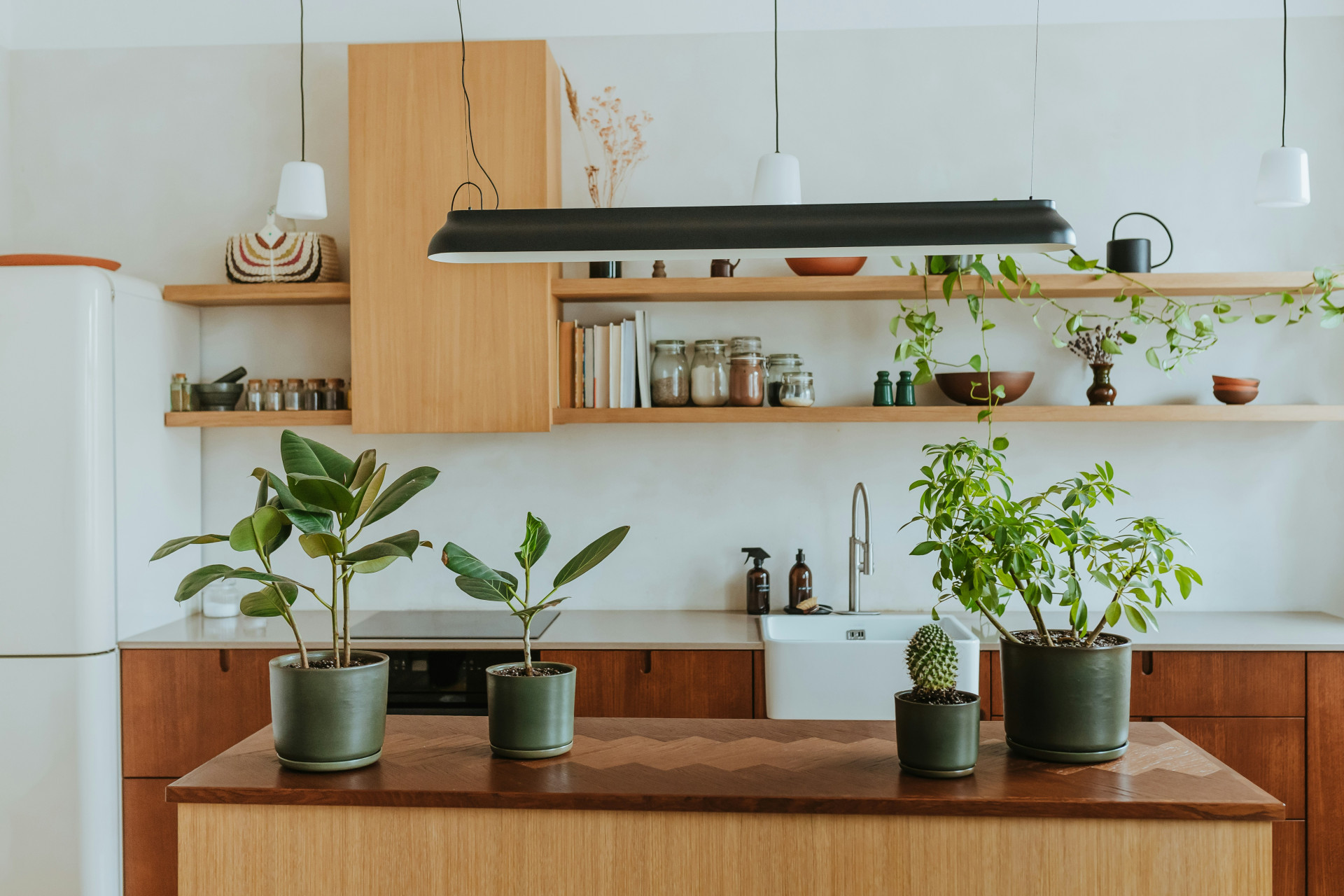
Harmony in the Kitchen: How to Create Stylish Combinations of Materials and Finishes
The kitchen has evolved far beyond its practical roots—it’s now the heart of the home, where design and function meet. The materials and finishes you choose shape not only the look but also the atmosphere and durability of the space. So how do you create a kitchen that feels cohesive, personal, and timeless all at once? Here’s how to combine materials and finishes with style and intention.
Start with the Big Picture
When planning a new kitchen or updating an existing one, it’s easy to fall in love with a single element—a stunning countertop, a unique backsplash, or a set of sleek cabinet pulls. But harmony begins with the whole. Consider the size of the room, the natural light, and the overall color temperature before diving into details.
A good approach is to choose one dominant surface that sets the tone, then layer in complementary materials and subtle contrasts. For example, a kitchen with white cabinetry and quartz countertops can gain warmth and depth through wood accents or matte black hardware.
Balancing Contrast and Calm
The most interesting kitchens often feature a mix of materials—but balance is key. Too many competing textures or colors can make the space feel chaotic rather than cohesive.
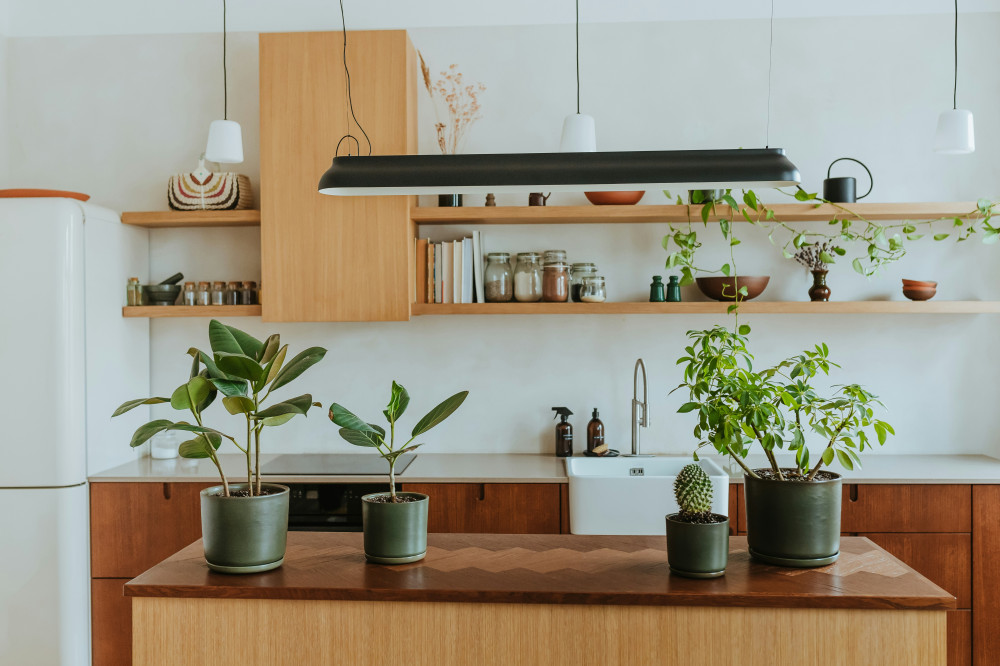
- Wood and stone – a timeless pairing where warmth meets strength. Wood adds texture and life, while stone brings elegance and durability.
- Matte and glossy – matte cabinet fronts can be beautifully offset by glossy tiles or metallic finishes that reflect light and add dimension.
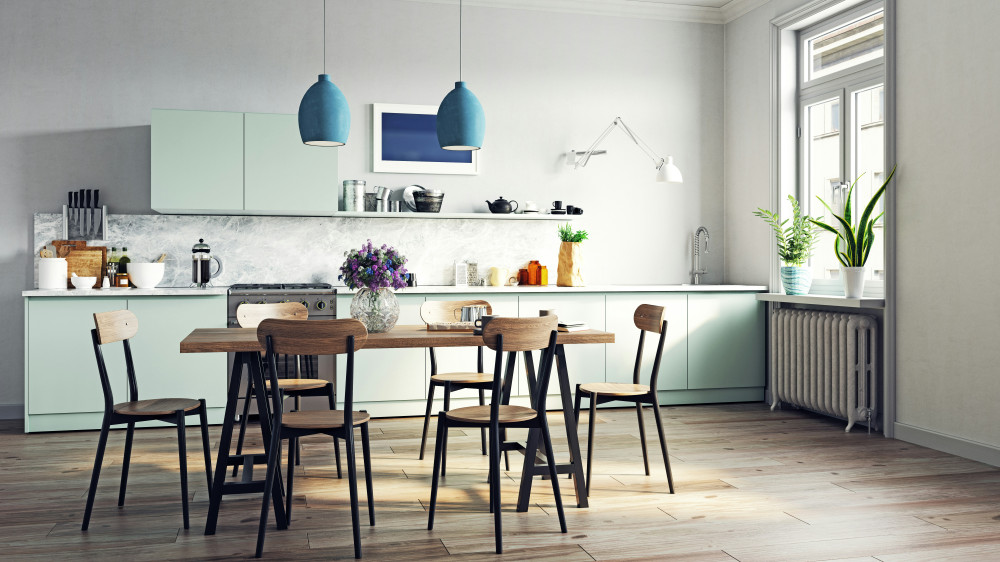
- Natural and industrial – concrete, stainless steel, and dark metals create a modern edge, softened by natural materials like oak or walnut.
- Color and neutrality – a pop of color on an island or accent wall can add personality when balanced with neutral tones elsewhere.
A helpful rule of thumb: limit your main materials to three. This keeps the design varied but visually unified.
Surfaces That Stand Up to Everyday Life
A beautiful kitchen should also be practical. Choose surfaces that fit your lifestyle and maintenance preferences. Natural stones like granite and marble offer a luxurious look but require regular sealing. Engineered quartz and porcelain are more resistant to stains and scratches, making them ideal for busy households. Wood countertops bring warmth and character but need periodic oiling to maintain their finish. Laminate and solid-surface materials are budget-friendly and come in a wide range of colors and textures.
For cabinets, think about durability and upkeep. Matte finishes hide fingerprints better than high-gloss, while painted or veneered surfaces provide a more natural, handcrafted feel.
Light and Texture: The Unsung Heroes
Even the most beautiful materials can fall flat without the right lighting. Consider both natural and artificial light when selecting finishes. A darker kitchen can come alive with under-cabinet lighting or LED strips along the toe kick, while a bright kitchen gains depth from shadows and textured surfaces.
Texture itself is a powerful design tool. A rough backsplash tile, a brushed metal panel, or a hand-glazed ceramic surface can add tactile interest and contrast to smooth cabinetry. Often, it’s these subtle variations that make a kitchen feel layered, inviting, and lived-in.
Læs også:

Connecting the Kitchen to the Rest of the Home
A harmonious kitchen doesn’t exist in isolation—it should flow naturally with the rest of your home. Repeat materials or colors from adjoining spaces, such as the same wood tone used in your living room or similar hardware finishes in your bathroom. This creates a sense of continuity and calm.
In open-concept layouts, materials can help define zones. A kitchen island in a contrasting finish or countertop material can serve as a visual bridge between cooking and living areas.
Personality in the Details
While overall harmony matters, it’s the details that make a kitchen truly yours. Small touches—like faucet finishes, cabinet pulls, tile patterns, or lighting fixtures—can dramatically shift the mood. A brass faucet can warm up a cool-toned palette, while matte black accents add a modern edge. Open shelving or glass-front cabinets are great for displaying ceramics, cookbooks, or greenery, adding life and personality to the space.
A Kitchen That Lasts—in Style and Function
Trends come and go, but a harmonious kitchen is built on thoughtful choices. By combining materials with care, selecting finishes that suit your daily life, and balancing contrast with calm, you’ll create a kitchen that’s both beautiful and functional for years to come.
A harmonious kitchen isn’t about perfection—it’s about creating a space where materials, light, and everyday life come together in effortless balance.
Læs også: