Fit in Flux: How Washing and Drying Affect Your Pants

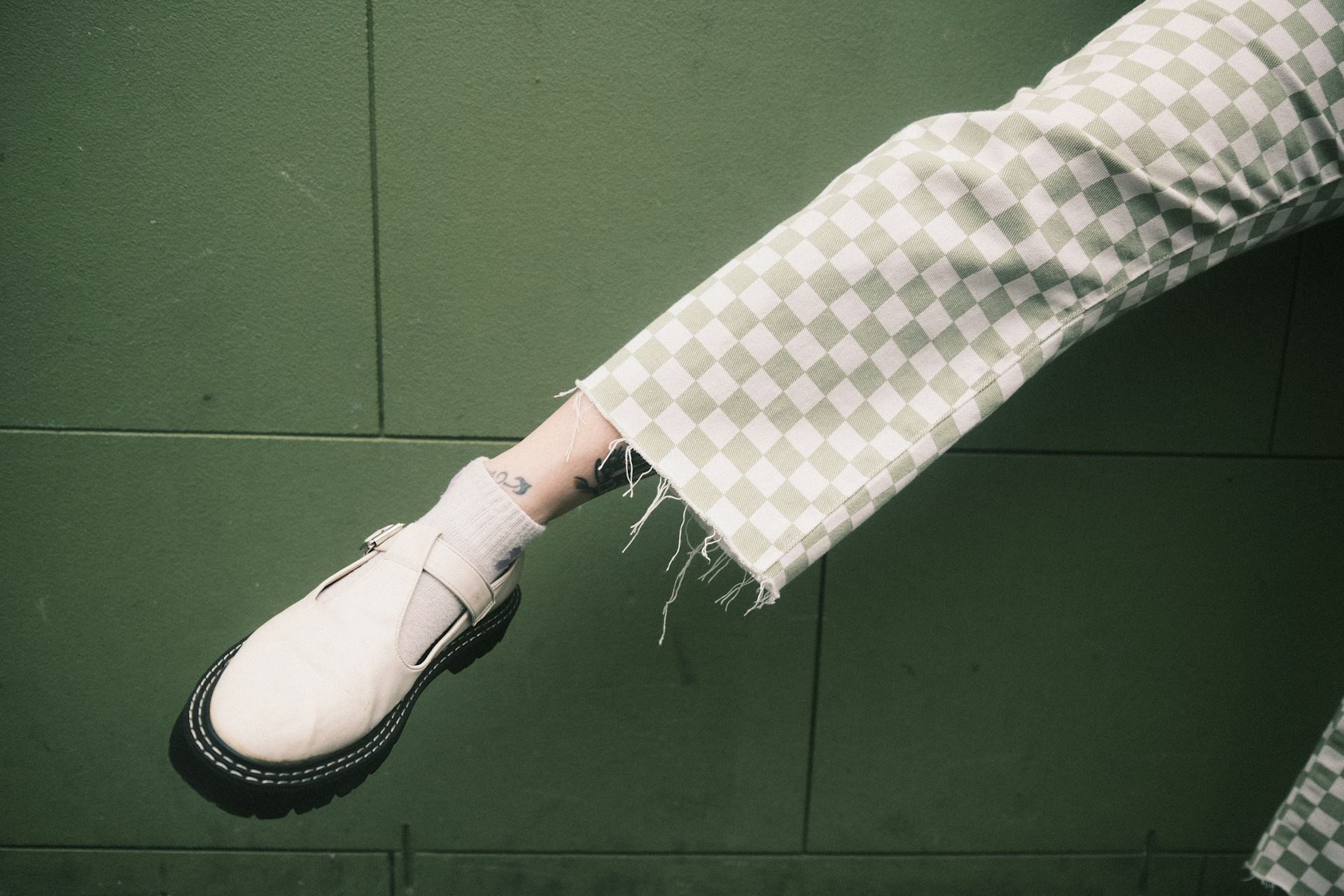
Fit in Flux: How Washing and Drying Affect Your Pants
Most of us have been there: a pair of pants that fit perfectly when you bought them, but after a few washes, they feel tighter, looser, or just not quite the same. Washing and drying can change the fit of your clothes more than you might think—and it’s not only about temperature mishaps. Here’s what happens to your pants when they go through the laundry, and how you can help them keep their shape.
When Fibers Go to Work – What Happens in the Wash
During washing, fabric is exposed to water, movement, and temperature changes. This combination makes the fibers expand, contract, and shift in structure. How much they change depends on the material:
- Cotton tends to shrink, especially in hot water. The fibers relax when wet and tighten as they dry.
- Denim (usually cotton with a bit of elastane) can both shrink and stretch. Jeans often feel snug right after washing but loosen up again as you wear them.
- Synthetic fabrics like polyester and nylon are more stable but can lose shape if exposed to high heat.
- Wool and rayon need extra care, as their fibers can easily mat together or lose elasticity.
Even small changes in fiber structure can affect how your pants fit—especially around the waist, hips, and knees, where the fabric experiences the most movement.
Temperature Makes All the Difference
Temperature is one of the biggest factors in maintaining fit. Washing in water that’s too hot can cause fibers to contract permanently. Always check the care label, and when in doubt, go cooler rather than hotter.
A few general guidelines:
- Cold or warm water (around 86°F) for jeans and cotton pants with stretch.
- Warm water (up to 104°F) for 100% cotton pants that are heavily soiled.
- Cold water for wool, rayon, and other delicate fabrics.
Also, keep in mind that spin cycles can be tough on fabric. A gentler spin helps preserve both color and shape.
Læs også:

Drying – The Hidden Culprit
While washing plays a role, drying is often what really changes the fit. The dryer is convenient, but its heat and tumbling motion can cause pants to shrink, lose elasticity, or stiffen.
To help your pants keep their shape:
- Air-dry whenever possible—lay them flat or hang them to maintain form.
- Avoid direct sunlight, which can fade colors and dry out fibers.
- Shake them out gently before hanging to prevent wrinkles and uneven shrinkage.
If you must use a dryer, choose a low-heat or delicate cycle, and remove the pants while they’re still slightly damp. This reduces the risk of shrinkage and stiffness.
Stretch Fabrics and Elasticity – When Comfort Loses Its Bounce
Many modern pants include elastane (spandex) for stretch and comfort. But elastane fibers are sensitive to heat and friction. Over time, they can lose their ability to snap back, leaving your pants baggy and less supportive.
To extend their life:
- Wash in cold or warm water, never hot.
- Skip fabric softener—it can break down elastic fibers.
- Avoid the dryer if possible.
Once the stretch is gone, it can’t be restored, so prevention is key.
How to Keep the Fit Longer
A few simple habits can make a big difference in how long your pants keep their shape:
- Wash less often. Air them out between wears instead of washing every time.
- Turn them inside out before washing to protect color and surface texture.
- Use a mild detergent without bleach.
- Shape them while damp so they dry in the right form.
- Store them properly—hang or fold neatly to avoid permanent creases.
When Fit Changes—and That’s Okay
Sometimes, a change in fit isn’t a flaw but part of the fabric’s natural evolution. Jeans, for example, mold to your body over time, developing a unique look and feel. That’s part of denim’s charm—and one reason many people recommend washing jeans as little as possible.
Understanding how washing and drying affect your pants isn’t just about avoiding mistakes—it’s about getting to know your clothes. With a little care and attention, you can preserve comfort, shape, and color, and make your favorite pants last much longer.
Læs også: