Fashion Sunglasses vs. Prescription Sunglasses – Do You Know the Difference?


Fashion Sunglasses vs. Prescription Sunglasses – Do You Know the Difference?
For many Americans, sunglasses are a must-have accessory when the sun is shining. They protect your eyes, complete your outfit, and express your personal style. But there’s a big difference between picking up a pair of fashion sunglasses at a retail store and getting prescription sunglasses from your eye doctor. Do you know what sets them apart—and which type best fits your needs? Here’s a quick guide.
Fashion Sunglasses – Style First
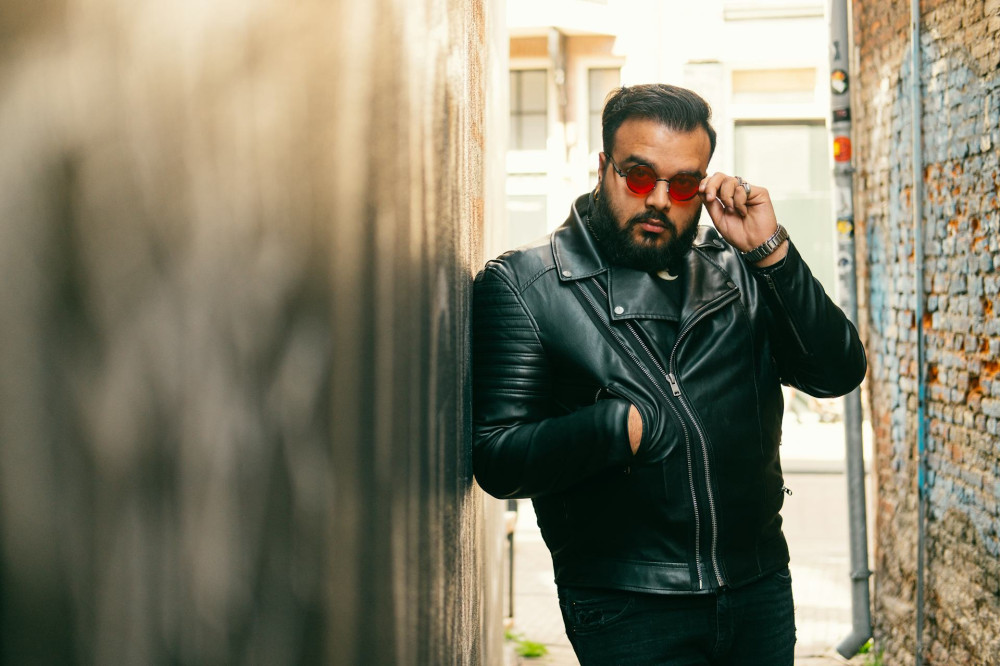
Fashion sunglasses are designed primarily as a style statement. They follow seasonal trends, ranging from timeless aviators to bold, oversized frames. You can find them almost anywhere—from designer boutiques to department stores and online retailers—and their price often reflects the brand and design rather than optical quality.
Most fashion sunglasses offer some level of UV protection, but the quality can vary widely. In the U.S., you should look for labels that say “100% UV protection” or “UV400,” which means the lenses block both UVA and UVB rays. Without proper UV protection, your eyes can still be exposed to harmful rays even if the lenses are dark.
The advantage of fashion sunglasses is that you can easily switch up your look and own multiple pairs for different occasions. The downside? They don’t correct your vision. If you need prescription lenses, you might find yourself choosing between seeing clearly and looking stylish.
Prescription Sunglasses – Vision and Protection Combined
Prescription sunglasses combine sun protection with the vision correction you get from your regular glasses. They’re made by an optometrist or optical retailer based on your prescription, ensuring sharp vision even in bright sunlight.
There are several types to choose from:
- Single-vision sunglasses – for distance or reading correction.
- Progressive sunglasses – for those who need both near and distance correction in one lens.
- Photochromic lenses – which automatically darken in sunlight and lighten indoors.
Prescription sunglasses can also include special coatings such as anti-reflective, mirrored, or polarized filters. Polarized lenses are especially popular in the U.S. because they reduce glare from roads, water, and snow—making them ideal for driving, boating, and outdoor sports.
Why UV Protection Matters
UV rays can damage both your skin and your eyes. Prolonged exposure increases the risk of cataracts, macular degeneration, and other eye conditions. That’s why UV protection isn’t just about comfort—it’s about long-term eye health.
A good pair of sunglasses—whether prescription or not—should block 99–100% of UVA and UVB rays. Remember, lens color doesn’t determine UV protection; it’s the UV coating that matters. Dark lenses without UV filters can actually be worse than no sunglasses at all, since they cause your pupils to dilate and let in more harmful light.
When to Choose Which
Your choice depends on how and where you use your sunglasses.
- For casual wear and fashion: Fashion sunglasses are a great option if you don’t need vision correction and just want a stylish accessory. Just make sure they offer verified UV protection.
- For driving, sports, or long hours outdoors: Prescription sunglasses with polarized lenses are the better choice. They provide both clarity and comfort.
- For glasses wearers: Consider prescription sunglasses or clip-on lenses so you don’t have to switch between regular glasses and sunglasses.
Læs også:




Style Meets Function
Today, you don’t have to choose between fashion and function. Many optical stores in the U.S. carry designer frames that can be fitted with prescription sun lenses. That means you can enjoy both clear vision and a fashionable look.
If you want maximum flexibility, you can invest in one high-quality frame and have multiple sets of lenses—clear for indoor use and tinted prescription lenses for outdoor wear. It’s a practical way to maintain a consistent style year-round.
Conclusion – Look Good and See Clearly
The difference between fashion sunglasses and prescription sunglasses ultimately comes down to purpose. Fashion sunglasses focus on style, while prescription sunglasses focus on vision and comfort. But the two don’t have to be mutually exclusive—with today’s options, you can easily find a pair that lets you both look good and see clearly.
Læs også: