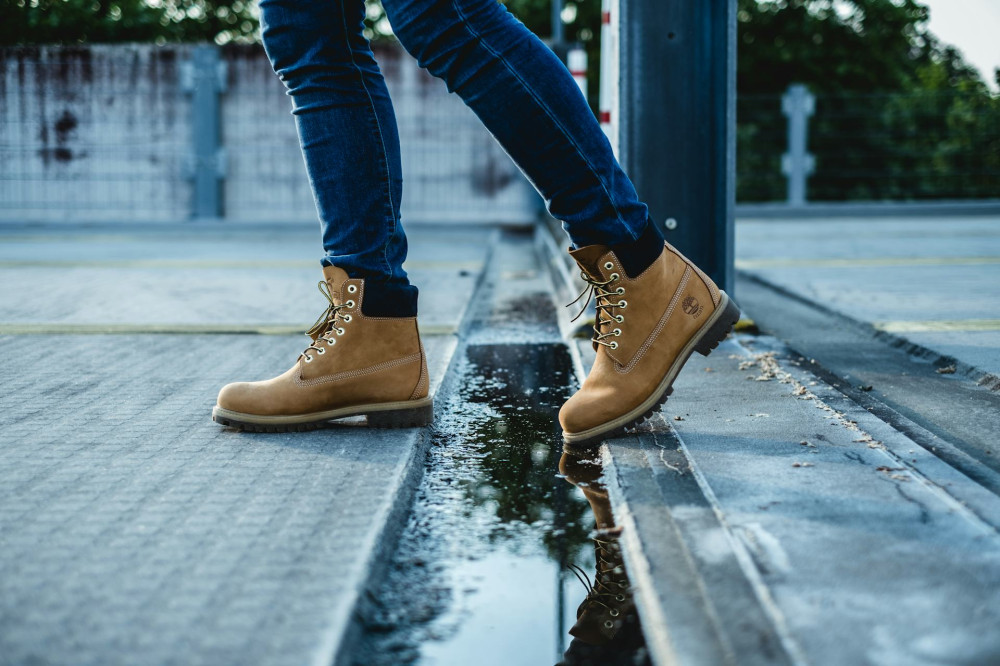
Extend the Lifespan of Your Outdoor Shoes – An Important Step Toward Sustainability

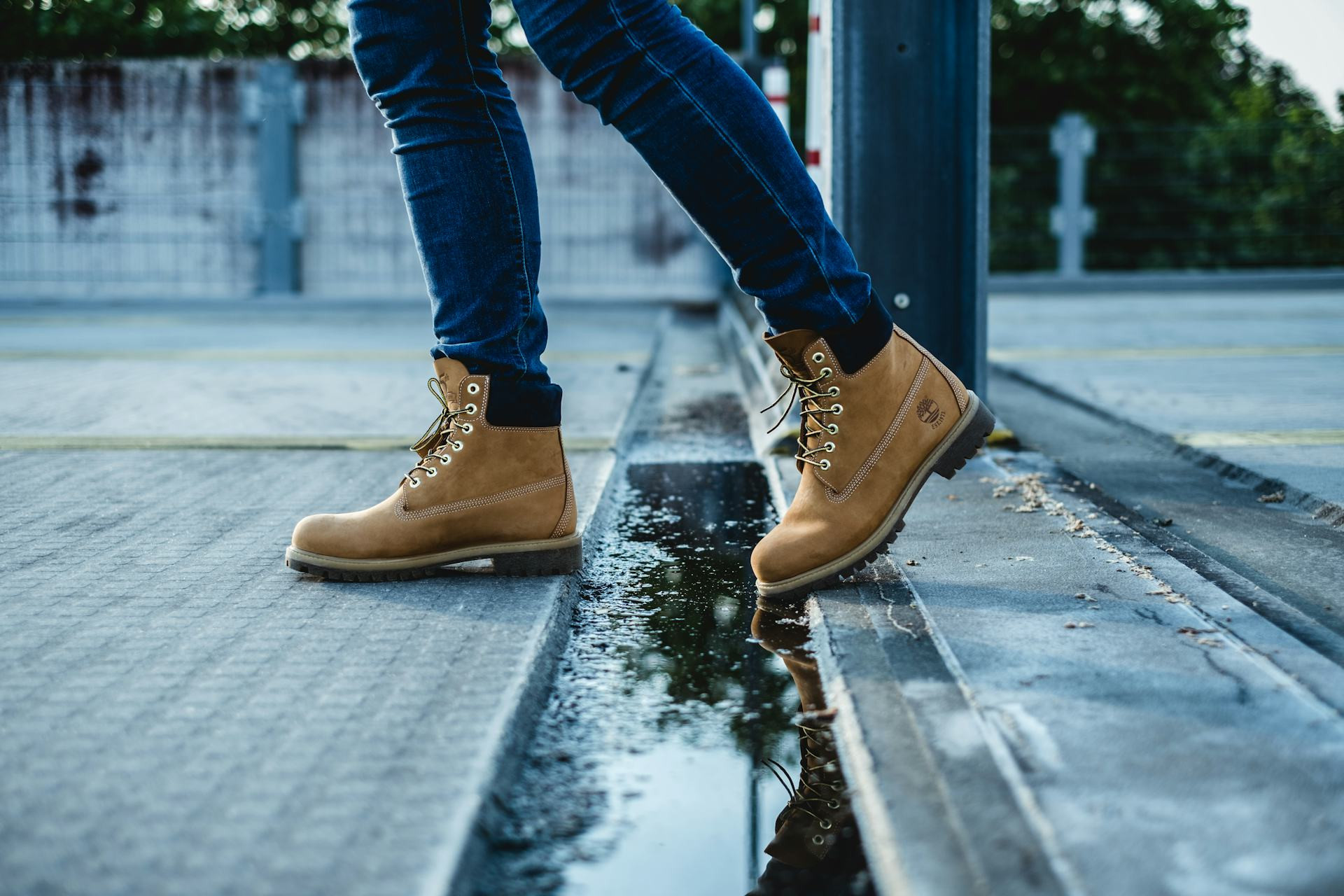
Extend the Lifespan of Your Outdoor Shoes – An Important Step Toward Sustainability
A reliable pair of outdoor shoes can accompany you on countless adventures – from hiking in the Rockies to rainy walks through your local park. But even the toughest shoes wear down over time. With the right care, you can extend their lifespan, save money, and reduce your environmental footprint. Making the most of what you already own is one of the simplest and most effective ways to live more sustainably.
Why Shoe Longevity Matters
Producing shoes requires significant amounts of energy, water, and raw materials. When shoes are discarded prematurely, all those resources are wasted, and new ones must be used to make replacements. Extending the life of your shoes by even a single year can make a measurable difference. It’s not just about saving money – it’s about making responsible choices that reduce waste and consumption.
Cleaning – The First and Most Important Step
Dirt, mud, and road salt can quickly damage the materials in your outdoor shoes. Regular cleaning is essential to keep them in good condition.
- Brush off dirt after every use. Use a soft brush to remove soil and grit, especially around seams and soles.
- Wash with mild soap and water. Avoid harsh detergents that can strip protective coatings or damage leather.
- Let them dry naturally. Place shoes in a warm, ventilated area, but never directly on a heater or in a dryer. Excessive heat can cause leather to crack and adhesives to weaken. Stuffing them with newspaper helps absorb moisture and maintain shape.
Waterproofing – Protection Against Water and Dirt
Once your shoes are clean and dry, apply a waterproofing treatment. This helps preserve the materials and keeps your feet dry in wet conditions.
- Choose the right product for the material. Leather, suede, and synthetic fabrics each require different treatments.
- Reapply regularly. A good rule of thumb is to re-treat after every deep cleaning or when water no longer beads on the surface.
- Opt for eco-friendly products. Avoid waterproofing sprays that contain harmful fluorocarbons. Water-based alternatives are better for both your shoes and the environment.
Maintaining Soles and Laces
The soles of your shoes take the most wear, especially on rocky or uneven terrain. Keeping an eye on them can prevent small issues from becoming big problems.
- Replace worn soles. Many cobblers can resole hiking or work shoes, giving them several more years of use.
- Check laces and eyelets. Frayed laces or loose metal hooks are easy to replace or repair. Small fixes like these can greatly extend the life of your footwear.
Proper Storage – Preventing Unnecessary Wear
How you store your shoes matters just as much as how you use them.
- Keep them in a dry, ventilated space. Damp environments can cause mold and unpleasant odors.
- Use shoe trees or stuff them with paper. This helps maintain their shape and prevents creasing.
- Avoid plastic bags. They trap moisture and can make materials stiff or brittle over time.
Repair Instead of Replace
Even when your shoes start to look worn, they can often be saved. A skilled cobbler can replace soles, repair stitching, or restore leather finishes. Repairing instead of replacing is usually cheaper and far more sustainable. Supporting local repair shops also helps keep traditional craftsmanship alive and reduces the carbon footprint associated with shipping new products.
When It’s Time to Say Goodbye
Eventually, every pair of shoes reaches the end of its life. When that happens, you can still make environmentally conscious choices:
- Recycle or donate. Many cities and retailers in the U.S. collect used footwear for recycling or reuse. Some programs turn old shoes into playground surfaces or athletic tracks.
- Buy quality over quantity. When purchasing new shoes, choose durable, repairable designs made from responsibly sourced materials.
Læs også:

A Small Step with a Big Impact
Extending the lifespan of your outdoor shoes doesn’t take much effort – just a bit of care and consistency. In return, you’ll save money, reduce waste, and contribute to a more sustainable lifestyle. In a world where sustainability often feels like a massive challenge, it’s the small, everyday actions that truly make a difference.
Læs også: