Durability in Design: How to Recognize Jewelry That Lasts for Years

Durability in Design: How to Recognize Jewelry That Lasts for Years
Jewelry can be more than just decoration—it can be a memory, an investment, and a reflection of personal style. But not all pieces are made to last. Some lose their shine after a few months, while others can be passed down for generations. How can you tell the difference? Here’s a guide to recognizing jewelry that will keep its beauty and quality for years to come.
Materials That Stand the Test of Time
The first sign of durable jewelry is the material. Precious metals like gold, silver, and platinum have been used for centuries because they resist rust and discoloration. But quality matters:
- Solid gold (such as 14K or 18K) retains its color and shape, while gold-plated pieces may lose their coating over time.
- Sterling silver (marked 925) is a classic choice but needs occasional polishing to prevent tarnish.
- Platinum is exceptionally strong and maintains its luster, though it comes at a higher price.
If your jewelry includes gemstones, pay attention to hardness. Diamonds, sapphires, and rubies are among the most durable, while pearls and opals are more delicate and require gentle care.
Craftsmanship and Construction
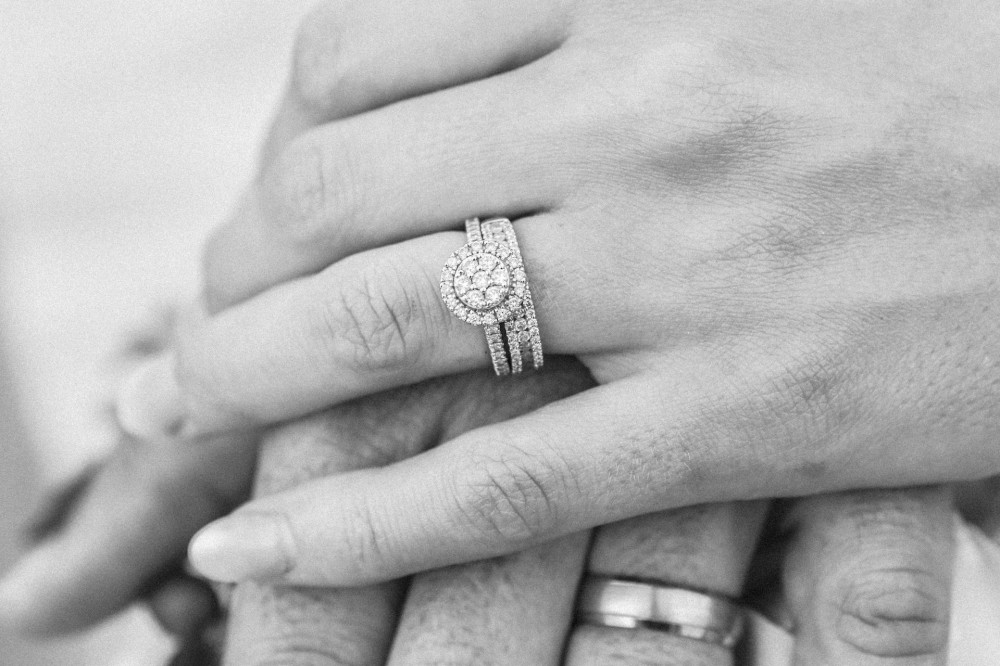
A piece that’s built to last must be well made. Look for clean joints, smooth surfaces, and secure settings. A ring with a loose stone or a chain with thin links will show wear quickly.
Handcrafted jewelry often offers higher quality because each detail is inspected by a skilled jeweler. That doesn’t mean machine-made jewelry is inferior, but it’s worth checking how it’s produced and whether the brand prioritizes quality over quantity.
A simple test: hold the piece in your hand. Does it feel solid and substantial, or light and flimsy? Weight can often reveal whether genuine metal or a cheaper alloy was used.
Timeless Design Over Trends
Durability isn’t just about materials—it’s also about style. A piece meant to be worn for years should have a timeless design you won’t tire of. Classic shapes—like simple bands, stud earrings, or clean-lined bracelets—tend to outlast fleeting fashion trends.
That doesn’t mean you should avoid modern designs, but choose thoughtfully. Jewelry that reflects your personal taste will stay meaningful longer than something bought just because it’s trendy this season.
Certificates and Authenticity
When investing in fine jewelry, always ask for documentation of materials and authenticity. A certificate from a reputable jeweler or gemological institute ensures you’re getting what you pay for—especially when gemstones are involved.
For diamonds, look for international grading reports such as those from the Gemological Institute of America (GIA), which detail clarity, color, cut, and carat weight. For gold and silver, check for stamps indicating purity—like “585” for 14K gold or “925” for sterling silver.
Læs også:
Care and Maintenance
Even the best jewelry needs care. Regular cleaning and proper storage can extend its life significantly. Use a soft cloth and mild soap to remove dirt, and avoid chemicals, perfume, and chlorine, which can damage surfaces.
Store pieces separately in small pouches or boxes to prevent scratching. And have them inspected by a jeweler occasionally—especially if they contain stones that could loosen over time.
Jewelry With a Story—and a Future
A lasting piece of jewelry isn’t just about craftsmanship; it’s about meaning. Many of the most cherished pieces are those with a story—an heirloom, a gift, or a symbol of a special moment. By choosing quality materials and timeless design, you’re not only investing in something beautiful today—you’re creating a piece that can become part of your story, and perhaps someone else’s, in the years to come.
Læs også: