Compression Garments in Rehabilitation – Effective Support for the Body After Injury


Compression Garments in Rehabilitation – Effective Support for the Body After Injury
When the body is recovering from an injury, finding the right balance between rest and activity is essential. Compression garments can play an important role in this process. They are now widely used by both professional athletes and everyday fitness enthusiasts to support muscles, reduce swelling, and promote recovery. But how do they actually work—and when do they make the most sense to use?
What Are Compression Garments?
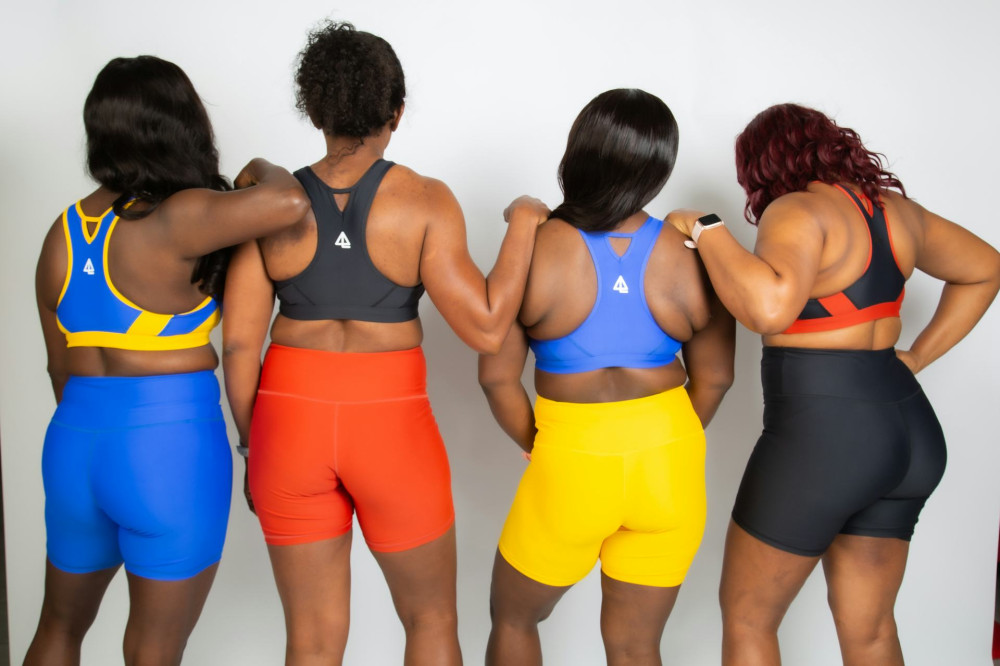
Compression garments are form-fitting pieces of clothing that apply gentle, consistent pressure to specific areas of the body. They come in many forms—socks, sleeves, tights, or shirts—and are designed to improve circulation and reduce fluid buildup in muscles and joints.
In rehabilitation, compression garments are often used alongside physical therapy and exercise. They can help the body heal more efficiently and provide a sense of stability that many people find reassuring, especially in the early stages after an injury.
How Compression Works
When you wear compression clothing, it helps increase venous return—the flow of blood back toward the heart. This improved circulation allows waste products like lactic acid to be removed more quickly from the muscles, while oxygen and nutrients are delivered more effectively to the tissues.
For people dealing with swelling, bruising, or limited mobility, this can make a noticeable difference. The gentle pressure can also reduce microvibrations in the muscles during movement, which may help decrease discomfort and fatigue.
Research suggests that while compression garments may not directly increase strength or speed, they can shorten recovery time and improve comfort during rehabilitation.
Læs også:


When to Use Compression Garments
Compression garments can be beneficial in several stages of recovery:
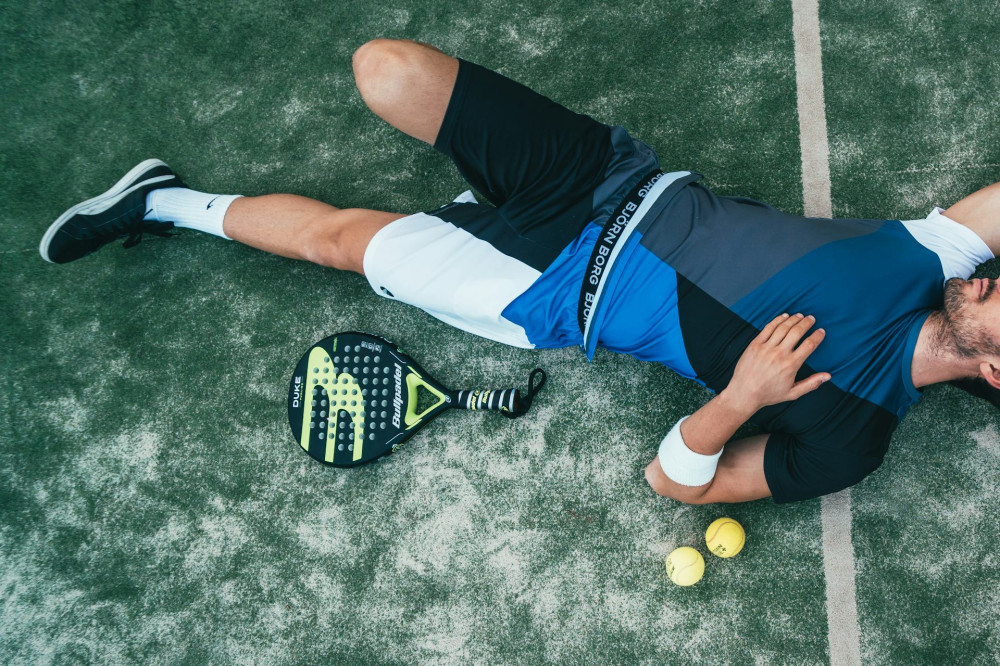
- After acute injuries – such as sprains or muscle strains, when swelling and soreness are common.
- During light exercise – as you begin to move again, compression can provide support and reduce the feeling of instability.
- After workouts or therapy sessions – many people wear compression garments for a few hours afterward to promote recovery.
- During periods of limited mobility – for example, after surgery or when sitting for long periods, to help maintain healthy circulation.
It’s important to choose the right type and size. Garments that are too tight can restrict blood flow, while those that are too loose won’t provide the desired effect. A physical therapist or sports medicine specialist can help determine the appropriate level of compression for your needs.
Materials and Comfort
Modern compression garments are made from elastic materials such as nylon, spandex, and polyester, combining support with breathability. Many designs feature zones with varying levels of pressure to target specific muscle groups or joints.
Comfort is key—especially if the garment will be worn for extended periods. It should fit snugly but not feel constrictive. Flat seams and smooth edges help prevent irritation, and moisture-wicking fabrics keep the skin dry and comfortable.
Compression as Part of a Holistic Recovery Plan
While compression garments can be an effective aid, they should be viewed as a supplement—not a replacement—for other rehabilitation methods. Exercise, movement, and gradual loading remain the most important factors in regaining strength and function.
That said, compression can offer a psychological boost. Many people report feeling more confident and secure when their body feels supported, which can make the transition from injury to normal activity smoother and less stressful.
A Tool for Both Body and Mind
Rehabilitation takes patience, and even small improvements can feel significant. Compression garments can be one of the tools that make the process a little easier—both physically and mentally. By supporting the body, reducing swelling, and providing a sense of control, they can help pave the way toward a more comfortable and effective recovery.
Læs også: