Comfort in Design: How Designers Create Pleasant Proportions in Sweaters


Comfort in Design: How Designers Create Pleasant Proportions in Sweaters
When you pull on a sweater, you might not think about why it feels just right — but behind that comfort lies careful design work. Designers balance aesthetics, ergonomics, and material science to create garments that not only look good but also move naturally with the body. Comfort in design is about harmony between form and function — and about understanding how people live, move, and feel in their clothes.
Proportions That Follow the Body
A sweater’s comfort depends largely on its proportions. Sleeves that are too short can feel restrictive, while those that are too long may look bulky. Designers work with precision, adjusting lengths, widths, and angles down to the millimeter.
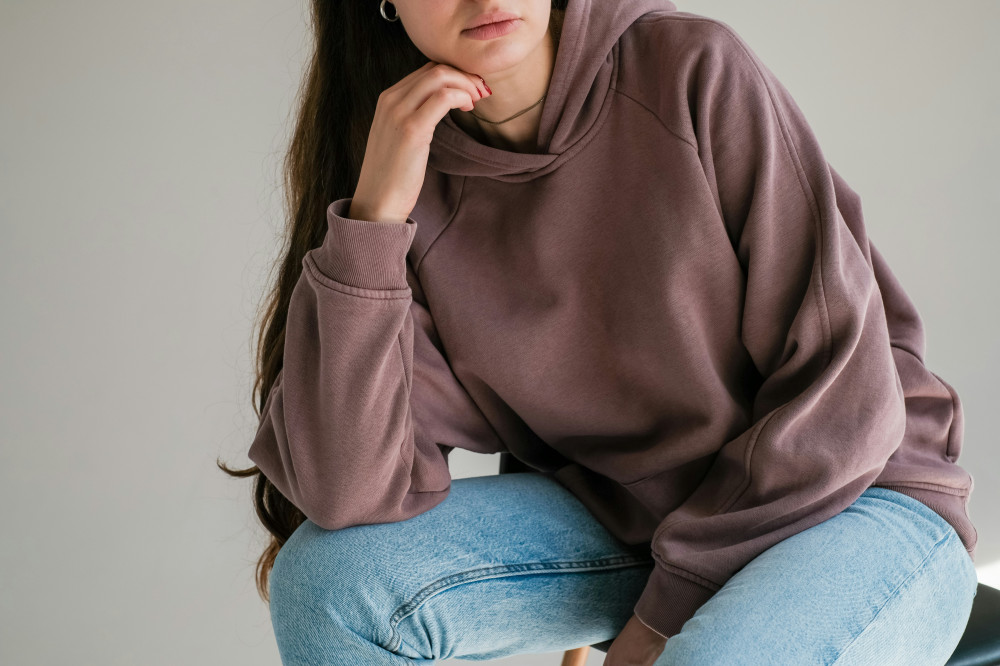
They start with average body measurements but refine them based on how each fabric drapes and stretches. A cotton sweatshirt, for example, needs a bit more room in the shoulders because the fabric has limited give, while a wool knit can fit closer to the body thanks to its natural elasticity.
The goal is for the sweater to follow the body’s natural lines without limiting movement — a balance that requires both technical expertise and a keen eye for detail.
The Role of Material in Comfort
Even the best-proportioned sweater can feel uncomfortable if the material isn’t right. That’s why designers choose textiles with care.
- Cotton offers softness and breathability, ideal for everyday wear.
- Wool regulates temperature and adapts to the body, making it perfect for cooler climates.
- Blends such as cotton with spandex or polyester add flexibility and help the garment keep its shape over time.
Designers test fabrics for stretch, weight, and texture to ensure they support the intended fit. A lightweight jersey should drape naturally, while a chunky rib knit should provide structure and warmth.
Cut and Construction – Small Details, Big Impact
Comfort isn’t just about fabric and measurements; it’s also about how the sweater is built. The placement of seams, the shape of the neckline, and the choice of ribbing can all make a noticeable difference.
A raglan sleeve, where the seam runs diagonally from the neck to the underarm, allows greater freedom of movement than a traditional shoulder seam. Slightly curved side seams can help the sweater follow the body’s shape without feeling tight. Even the thickness of the thread used in stitching can affect how the garment feels against the skin.
Designers often create multiple prototypes and test them on different body types before finalizing a design. This is where subtle adjustments happen — the ones that turn a sweater from “it fits” into “it feels perfect.”
Aesthetic Balance and Comfort
While comfort is essential, design must also appeal to the eye. Proportions that feel good should also look harmonious. A sweater that’s too loose can appear shapeless, while one that’s too tight can distort the silhouette.
Designers use visual principles like balance and rhythm — often inspired by architecture, art, or nature — to create proportions that flatter the body and feel natural. The aim is to find that sweet spot where what looks right also feels right.
Læs også:


The Future of Comfort – Technology and Sustainability
Today, technology plays a growing role in designing comfortable sweaters. 3D body scanning allows for more accurate fits across diverse body types, while innovative textiles combine natural and synthetic fibers to enhance both comfort and durability.
Sustainability is also becoming a key part of comfort. Knowing that a sweater is responsibly made — from ethically sourced wool to recycled yarns — adds emotional ease to physical comfort. A truly comfortable garment is one you can feel good about wearing in every sense.
Comfort as a Design Philosophy
Ultimately, comfort isn’t an accident — it’s a design philosophy. It’s the sum of proportion, material, construction, and aesthetics that together create the feeling we call “pleasant.”
When designers succeed in uniting these elements, the result is that special sensation of a sweater that simply feels right — as if it were made just for you.
Læs også: